Episode Nineteen: Conversation with Carlie Byrom


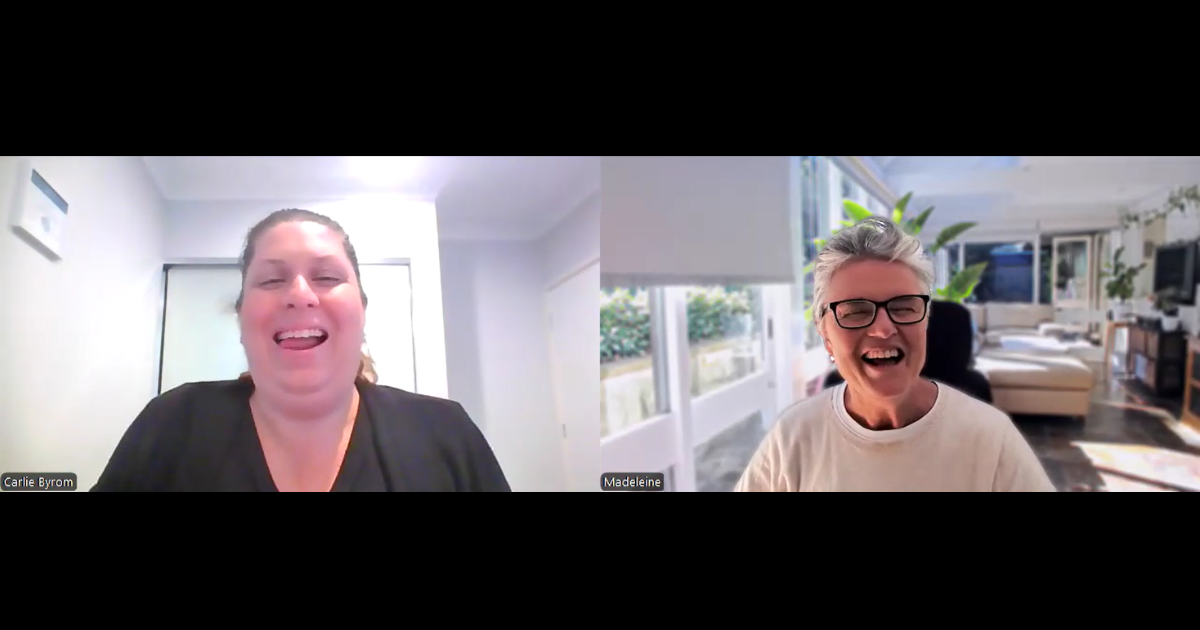
Podcast Recap:
In this conversation, Madeleine talks with Carlie Byrom, founder of Life Brain Training, about her family's journey through intense emotional dysregulation with her eldest daughter, discovering neurofeedback (NeurOptimal) as a tool for the whole family's nervous system regulation, and why parents need to look beneath behaviour to understand what a child's nervous system is really communicating.
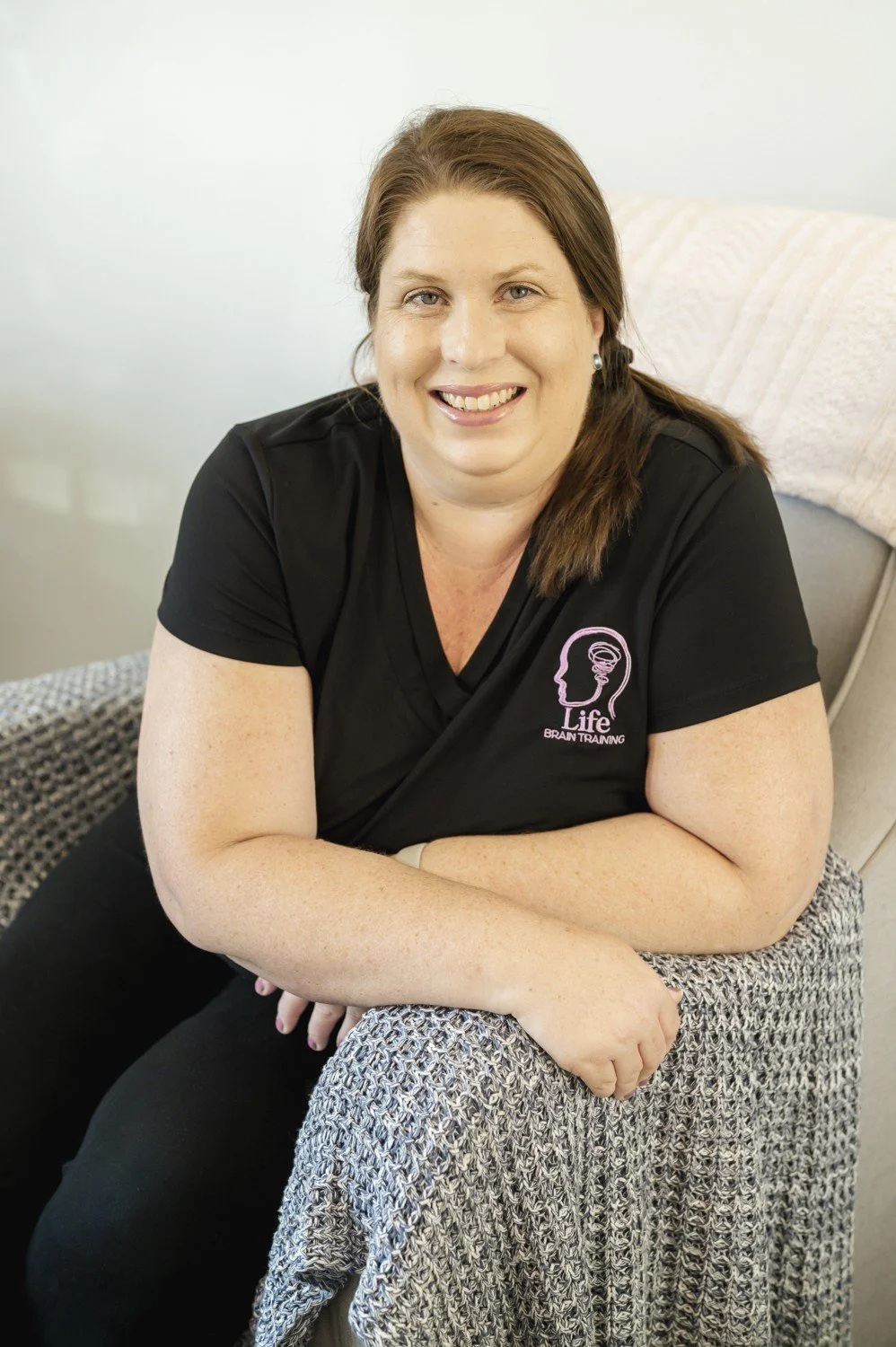
Guest: Carlie Byrom - Founder, Life Brain Training
Host: Madeleine Steel - EPIC CEO
Podcast Transcript:
Introduction and background:
Madeleine:
Can you please start by sharing a bit about your own parenting journey and what led you down your current path?
Carlie:
I know that I was meant to be a mum, but it wasn't what I expected. I was in a situation so bad that I questioned whether I was the right person to be my daughter's mum, alongside knowing deep down that being a mum was exactly what I was meant to do.
We noticed emotional regulation issues in my eldest from around age two. She also had a speech delay, which likely contributed, since she understood she couldn't use her words to express herself. We were navigating huge emotional swings, going from calm to full escalation in moments. Doctors told us it was normal. I knew it wasn't normal for a child to hit herself until she bruised, or to scream for up to an hour without being able to be calmed. We tried every tool, breathing, hitting a pillow, calm corners, but she couldn't access any of them.
By age four we entered the Karitane Behavioural Program, which helped in some ways but didn't address the emotional regulation, since strategies like time out don't work for a child who is dysregulated. By then we had a second child, and things were becoming harder for the whole family.
During COVID, my psychologist introduced me to NeurOptimal, a neurofeedback system. She recognised I already had the tools and knowledge, but was too stuck to use them. It helped me regulate enough to actually apply what I knew. My husband then tried it too, working through his own parenting triggers, and we became better, calmer parents together. Eventually we trialled it with our eldest for her emotional regulation, and by the end of a three month rental, with three young daughters approaching adolescence, I knew I couldn't be without it. That's what led me to train and start supporting other families myself.
What Parents Might Not Realise
Madeleine:
What do you wish someone had taught you at the time about what was really going on for your child?
Carlie:
I wish someone had told me about the nervous system, and about NeurOptimal specifically, much sooner. We can teach kids all the tools in the world, but they also need the capacity to use those tools. That's the piece that was missing for us.
Madeleine:
What is often happening underneath a young person's challenging behaviour that parents might not realise?
Carlie:
There is always a reason, and it's rarely the reason we first assume. Every child starts as a blank canvas, and then life happens. If we can zoom out and look at the bigger picture, we can often follow a small clue like a breadcrumb to what's really going on, rather than just reacting to what's on the surface. It also comes up in daily moments for me as a parent. Just this morning I felt myself get frustrated with my girls, and I was able to catch myself and recognise the reaction wasn't really about them.
The Role of the Nervous System
Madeleine:
Why is the nervous system such an important piece of the puzzle when it comes to youth mental health?
Carlie:
It's where everything starts. What looks like a bad behaviour is often just a nervous system signalling that it doesn't feel safe. If we look at things through that lens, we can help our whole family feel safer, and things start to flow more easily from there.
We evolved to survive threats like being chased by a predator, but most of us are still living in that survival mode even though the threats have changed. If we don't have moments to let the nervous system settle, discomfort builds like water filling a cup, and by the end of the day it overflows. Building small regulating moments into the day, for ourselves and our kids, matters more than people realise. It's encouraging that schools are starting to introduce things like brain breaks, though there's still a long way to go.
A Message for Exhausted Parents
Madeleine:
For parents listening who feel exhausted or like they've tried everything, what would you want them to know?
Carlie:
You're not alone. So many parents deal with these struggles quietly, not realising others are going through the same thing until it comes up almost by accident in conversation. Parenting is the best job in the world, but also one of the hardest, and we're never given a manual. Seek out your people. Communities like EPIC make a real difference, because once you know you're not alone, everything feels a little more manageable, even when the challenges themselves haven't changed.
The NeurOptimal Approach
Madeleine:
What has surprised you most about the changes you've seen in families once they understand the NeurOptimal approach?
Carlie:
Clarity. The challenges don't disappear, but the overwhelm lifts, and the dust settles enough to start seeing a way through. It's not that you get every answer at once, but you stop feeling like the world is closing in. Sometimes all the research, books and podcasts we turn to actually add to the overwhelm, because everyone seems to be doing something different. Coming back to a regulated centre first means you can then use everything you've learned in a way that actually works for your family.
Accessing Support
Madeleine:
For anyone who wants to explore this further, can you tell us about the work you do and how people can get in touch?
Carlie:
I offer neurofeedback through the NeurOptimal system, as well as counselling, and combined sessions work well for people with a lot going on. NeurOptimal is a gentle way to train your brain to become more flexible and resilient, so when a challenge comes up, you have more capacity to pivot rather than react. I offer a free first session so people can experience it and ask questions without time pressure, and there are also rental options so a whole family can use the system at home with my ongoing support.
You can find me at lifebraintraining.com.auor onFacebook at Life Brain Training. I love talking with people, so please reach out even if you're not sure it's the right fit. I'll help find a solution that works for you.
Final Message
Madeleine:
Is there one message you'd like struggling parents to take away from this conversation?
Carlie:
Keep searching until you find what fits your circumstances. For me it was NeurOptimal, and while it hasn't fixed everything, it has made a massive difference to emotional regulation in our family. I honestly don't know where we'd be without it.
I'd also challenge every listener to do something nice for themselves today, because we can't pour from an empty cup. Something as small as a shower gel that's just yours can help fill your cup back up. And once your cup is a little fuller, try doing something small and kind for the person giving you grief in your life. It might not land straight away, but it signals to them that they're safe, and that's often where things start to shift.
Do you have suggestions, comments, questions relating to today’s conversation or have ideas for future episodes?
We would love to hear from you. Send EPIC an email here.