Episode Eighteen: Child Sexual Assault & Grooming


Podcast Recap:
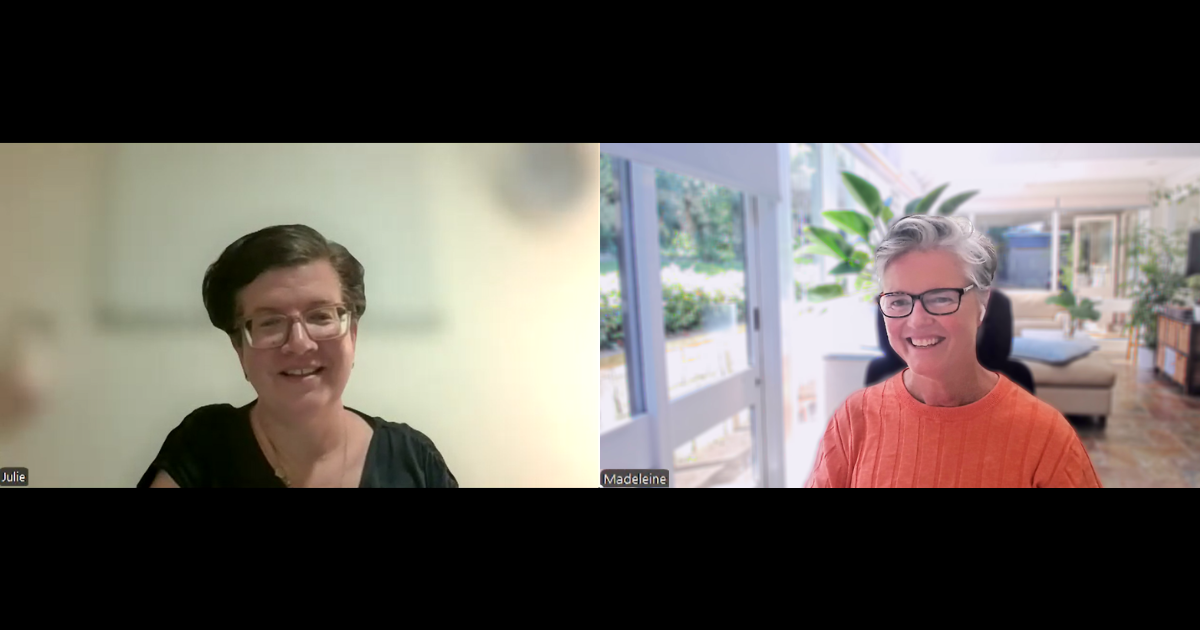
In this conversations, Madeleine talks with Julie, Clinical Lead at the Northern Sydney Sexual Assault Service, to discuss child sexual abuse, common myths, grooming behaviours, and the evolving risks for young people, both online and offline. Julie offers practical guidance for parents and carers on building safety, trust, and open communication, and shares where families can access support across Northern Sydney and beyond.
Guest: Julie Porteous - Clinical Lead, Northern Sydney Sexual Assult Service, NSW Health
Host: Madeleine Steel - EPIC CEO
Podcast Transcript:
Introduction and background:
Madeleine:
Thanks so much for being here, Julie. To start, could you let people know a little about your role and the work of the Sexual Assault Service in Northern Sydney Local Health District?
Julie:
Thank you. I’m one of the Clinical Leads in the Sexual Assault Service at Northern Sydney Local Health District. We sit under the umbrella of PARVAN services, which stands for Prevention and Response to Violence, Abuse and Neglect. We’re co-located with other health services that respond to violence and abuse, including the Child Protection Counselling Service, the Domestic Violence Counselling Service, and the SafeWayz program.
I’m a social worker by background and have spent my whole career working in the violence, abuse and neglect field—mostly frontline work, along with some experience in training and research.
Our Sexual Assault Service is a multidisciplinary team based at Royal North Shore Hospital. We respond to the health needs of people across the lifespan, from young children through to older adults. Our medical colleagues provide sensitive healthcare, manage injuries, sexual health and pregnancy concerns, and collect forensic evidence with consent following sexual assault. Counsellors provide crisis support, longer-term counselling in some cases, advocacy, and court preparation and support for clients and their significant others.
Working With Other Services
Madeleine:
What other agencies and services within Health do you work closely with?
Julie:
For adults, there are strict privacy and confidentiality rules, so we don’t share information with other agencies without the client’s consent—including police. With consent, we may communicate with GPs, counsellors, or other supports, particularly for people with complex needs.
With children and young people under 16, child protection legislation means we sometimes must share information. This can involve reports to the Child Protection Helpline and working with the NSW Police Child Abuse Squad. Families often consent to broader communication to ensure wraparound support, involving schools, mental health services, youth workers and more.
Many people don’t realise there are health services that support children and young people who display harmful sexual behaviours. For children under 10, SafeWayz provides early intervention focused on safety, understanding the behaviour, and preventing recurrence. For young people over 10 who haven’t been charged by police, New Street provides a health response. These services work closely with families and schools, and outcomes are often very positive.
We frequently work together in sibling sexual abuse cases—supporting the child who has been harmed while colleagues support the child who has engaged in harmful behaviour. Both services support parents.
Because different forms of abuse often co-occur, being co-located with child protection and domestic violence services allows us to coordinate care across families more effectively. This can make accessing support easier and less overwhelming for families.
Why Parents and Carers Need to Understand Child Sexual Abuse
Madeleine:
Why is it so important for parents and carers of high school students to understand child sexual abuse? And what myths still exist?
Julie:
Parents play a crucial role in helping kids stay safe throughout childhood and adolescence. The risk of sexual assault doesn’t disappear during the teenage years, so parents need to stay involved as kids begin navigating relationships and independence.
In NSW, sexual assault includes any sexual act that is forced, coerced, tricked, or occurs without consent. Because the age of consent is 16, any sexual activity involving younger children is a sexual assault. The law also recognises grooming, technology-facilitated offences, and non-contact offences.
There are still misconceptions about how common child sexual abuse is. The Australian Child Maltreatment Study found that before age 18, 1 in 3 girls and almost 1 in 5 boys experience child sexual abuse. These figures show why conversations need to start early and evolve as children grow.
Another misconception is about who perpetrates abuse. While institutional abuse gains media attention, most abuse is perpetrated by known adults or other young people. Harmful sexual behaviour by another child or adolescent is, in fact, very common. Offenders come from all backgrounds, genders, and ages, so relying on stereotypes can be dangerous.
Understanding Grooming and Online Risks
Madeleine:
Many parents think grooming is obvious, but often it’s subtle. What does grooming typically look like, and how has technology changed it?
Julie:
Grooming is the process where an offender manipulates a child into situations where abuse can occur while preventing disclosure. This can include building trust with the child and adults, isolating the child, and gradually desensitising them to sexual content or touch.
Perpetrators often appear kind, helpful, or invested in the child. They may offer special privileges or extra attention that looks harmless at first. Technology has increased risks significantly. Children can interact with adults online through games and social platforms—sometimes without knowing who they really are.
Sextortion has become increasingly common, particularly affecting adolescent boys. Online grooming can also escalate into in-person abuse. Simple rules like device use in shared spaces, parental access, and putting devices away at night can help reduce risks.
Practical Steps Parents Can Take
Madeleine:
What are one or two practical things parents can start doing right away?
Julie:
Body safety and consent conversations should be part of family life, just like road or water safety—and it’s never too late to start. Parents don’t need to be experts; just being open and willing matters.
It’s also important to talk with teenagers about sex and relationships so they seek information from trusted adults rather than the internet or peers. This is especially important for gender and sexuality diverse young people, who can be at increased risk when shame or secrecy is involved.
Kids need to know who the safe adults are in their life and hear clearly that they will be believed and supported if something goes wrong. Creating strong, trusting relationships is one of the most protective things parents can do.
Accessing Support
Madeleine:
How can people access support in Northern Sydney?
Julie:
The Northern Sydney Sexual Assault Service provides a 24/7 medical and psychosocial response for assaults that occurred within the past seven days, along with phone advice and daytime appointments. Services are primarily based at Royal North Shore Community Health Centre in St Leonards, with outreach in the Northern Beaches and Ryde.
There are also statewide and national supports, including Police, the Department of Communities and Justice, and helplines like Kids Helpline and Full Stop Australia.
For further information, I recommend the National Office of Child Safety website at www.childsafety.gov.au and resources on the Raising Children Network.
Given how common child sexual abuse is, some listeners may be personally affected. If this conversation has raised concerns, support is available:
Lifeline: 13 11 14
Full Stop Australia: 1800 385 578
MensLine: 1300 789 978
13YARN: 13 92 76
QLife: 1800 184 527
The Northern Sydney Sexual Assault Service provides a 24/7 medical and psychosocial response for assaults that occurred within the past seven days, along with phone advice and daytime appointments. Services are primarily based at Royal North Shore Community Health Centre in St Leonards, with outreach in the Northern Beaches and Ryde. To contact us during business hours, please call 8797 7174. If you leave a message we will phone you back as soon as possible. After hours, please phone the Royal North Shore Hospital Switch, on 9926 7111, and ask to speak to Sexual Assault.
Do you have suggestions, comments, questions relating to today’s conversation or have ideas for future episodes?
We would love to hear from you. Send EPIC an email here.
Thank you NSW Health Sexual Assault Services for their support of families in our community

This podcast was made possible with the support of Ku-Ring-Gai Council